





After the animated film Mahavatar Narasimha on Netflix comes the animated series Kurukshetra. The Hindi show is centred on the 18-day war fought between the Kaurava and Pandava cousins in the Mahabharata.
Kurukshetra imposes a neat mathematics on a highly complex text, which is also one of the greatest studies of family honour, greed and the futility of vengeance. The first season comprises nine episodes dedicated to nine characters, among them Arjun, Yudhishthira and Abhimanyu. The second season will cover the other nine characters.
The epic has been heavily simplified, with the narrative alternating between battlefield scenes and flashbacks to the inciting incidents that result in members of the same clan baying for each other’s blood.
While the emphasis is on computer-generated spectacle, a prologue gives an early hint that Kurukshetra aims to be more than visual sleight of hand. A voice, speaking words written by Gulzar, observes that the truth has many shades. The fallout of the Kurukshetra war, which is measured in the loss of values as well as lives, still haunts us all these centuries later, the voiceover adds.
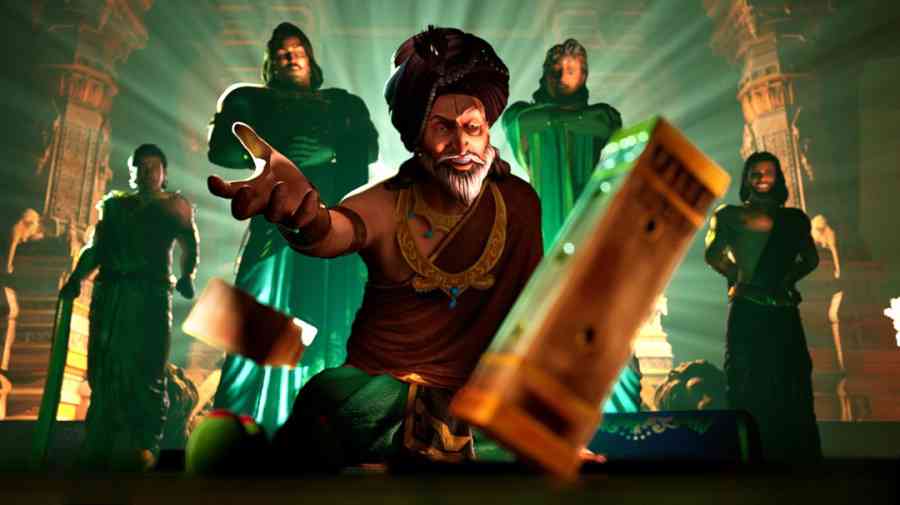
The series includes a 101 on the Bhagavad Gita treatise – Krishna’s advice on the meaning of duty, action and righteousness delivered to a waffling Arjun who balks at having to fight and kill his cousins.
Kurukshetra is created by Anu Sikka, written and directed by Ujaan Ganguly and animated by Hitech Animation. Kaushik Ganguly serves as series director.
In the first episode itself, vultures hover over the battlefield even before the armies have embarked on slaughter. The messy script is always jumping ahead of viewers, potentially baffling those whose don’t know the Mahabharata well enough and irking the ones who do.
The jumbled timelines and truncated flashbacks don’t amply explain the motivations of key characters, nor give a sense of the deep wounds that result in carnage. The animation style, while superior to Mahavatar Narasimha, isn’t as evocative as some of the other incredibly detailed shows in this genre that are available on Netflix.
The garish colour palette resembles an ice popsicle cart. The animated figures have rubbery faces, robotic eyes and similar physical attributes, with all feeling produced entirely by the voice work. Some of the secondary warriors are hard to tell apart.
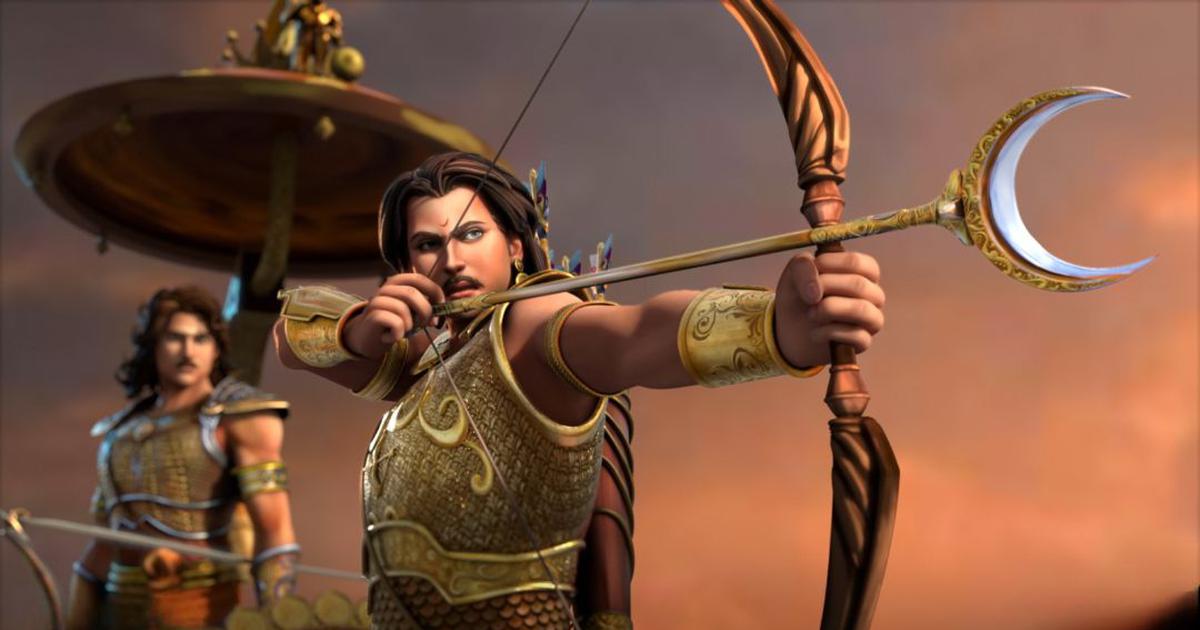
Arjun, at least, has identifiable Medusa-like curls, while the blue-skinned, beatific-faced Krishna stands apart from the rest. Bhima’s typically muscular build is matched by Duryodhana’s extremely broad chest.
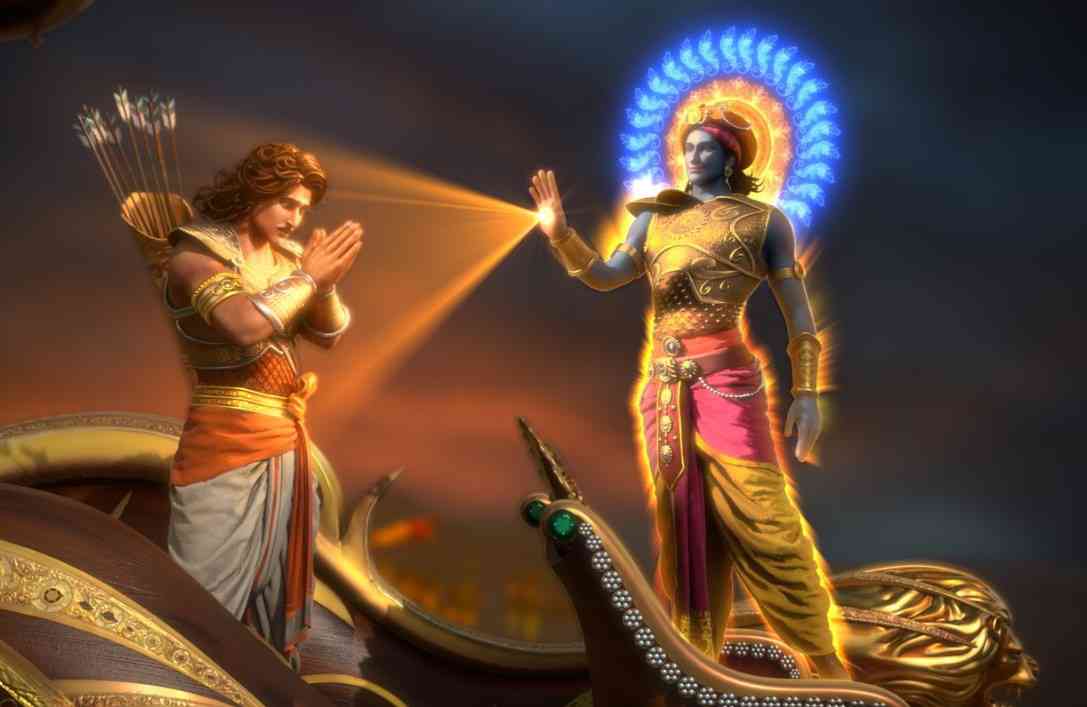
Rather than characterisation or scripting coherence, Kurukshetra fares better at razzmatazz. The battle scenes deliver video game-like thrills.
Legends such as Drona levitate at will. Arrows not only pierce through flesh but also generate dust storms. Fantastical elephants barrel through hapless troops.
The chakravyuh, or maze, that traps Arjun’s son Abhimanyu is rendered well. Arjun’s celestial bow Gandiva is like a lightning rod in his hands.
In the epic, the Kurukshetra war began as a war of attrition before escalating into a struggle between making the difficult choice that would ensure victory and the morally correct decision that would uphold the moral order. In Kurukshetra, the ethical dilemmas faced by the humans of the Mahabharata come through despite flattened, attention-deficit storytelling.
The series gets more interesting in its later episodes. The Mahabharata’s enduring lessons about human frailty permeate the lurid greens, pinks and orange tints, proving that it is impossible to reduce a marvellously multi-hued text to black-and-white characterisations and visual trickery.
